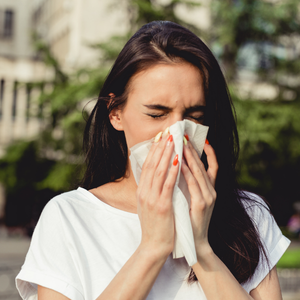


SEASONAL ALLERGY TREATMENTS FOR Lasting Relief in Massachusetts
From allergy testing to personalized treatment plans and immunotherapy, our experts help patients across Dedham, Brockton, Milford, Raynham, and surrounding areas breathe easier through every allergy season.
Understanding the Challenge of Allergy Seasons
How Seasonal Allergies Impact Life in Our Region
Every spring, summer, and fall, Massachusetts faces intense waves of pollen, grass, and ragweed. For many residents, these natural cycles bring more than just beautiful blooms—they trigger sneezing, congestion, itchy eyes, and fatigue. Our local climate, with its changing temperatures and abundant trees like oak, maple, and birch, creates unique challenges for allergy sufferers. At Asthma & Allergy Physicians, we recognize that each season presents new triggers, from tree pollen in March through May, to peak grass allergies in June, and ragweed surges from mid-August until the first frost. Understanding this local pattern is the first step in preparing and protecting your health. Our team is dedicated to delivering targeted seasonal advice, drawn from clinical research and five decades of regional expertise, to help you and your family minimize symptoms year-round.
Clinical Expertise Rooted in Local Allergy Patterns
Why Trust Our Seasonal Allergy Guidance
Asthma & Allergy Physicians is recognized as a leader in allergy and immunology care across Brockton, Milford, Dedham, and Raynham, and surrounding areas. Our experts providers have deep academic backgrounds—many are alumni of Harvard, Boston University, and Northeastern—ensuring that every tip is grounded in scientific evidence. We integrate decades of New England-specific pollen-tracking, patient education, and clinical trial experience to offer strategies that actually work in our region. Whether you're a pediatric parent dealing with springtime asthma or an adult facing perennial rhinitis, our insights are tailored to your needs. Trust in the clinical authority that has helped thousands across Massachussets and beyond reclaim comfort and control during allergy season.
Proven Strategies for Managing Symptoms Year-Round
Actionable Tips to Reduce Your Seasonal Allergic Load
Effective seasonal allergy management starts with understanding your triggers and taking proactive steps. Our experts recommend monitoring local pollen levels, especially during peak times—tree pollen in early spring, grass in June, and ragweed from August through fall. Practical tips include keeping windows closed on high pollen days, using HEPA air purifiers, and showering after outdoor activities to remove allergens from skin and hair.
For active families, jogging or exercising outdoors is best scheduled for early morning or late evening, when pollen counts are lower. Inside the home, removing carpets and using dust-mite-proof bedding can provide significant relief for those sensitive to indoor allergens. Managing environmental exposures, maintaining a clean indoor environment, and following a personalized treatment plan can help minimize symptoms and improve overall comfort during allergy season.
For those with persistent symptoms, professional allergy testing and individualized immunotherapy may be recommended to help reduce sensitivity to allergens over time. Every tip is designed to help you breathe easier and enjoy the season with greater comfort and confidence.
Your Partners in Allergy Relief, Season After Season
Ongoing Support for a Healthier, Happier Life
Managing seasonal allergies is a journey—one that’s easier with the right support. At Asthma & Allergy Physicians, we’re committed to providing year-round guidance, up-to-date tips, and compassionate care tailored to every stage of life, from infants to seniors. Our regional expertise means you can count on advice that reflects the realities of living in Massachusetts, from the tree-lined streets of Brockton to the fields of Dedham, Milford, and Raynham. We’re more than a specialty clinic—we’re your long-term partners in health, offering quick access appointments, educational resources, and ongoing monitoring to ensure that your allergy management plan evolves with your needs. Our goal is simple: to help you enjoy every season with confidence, comfort, and peace of mind.
Answers to Common Questions About Seasonal Allergy Management
Get Clarity on Seasonal Allergy Tips and Local Triggers
What causes seasonal allergy symptoms to worsen?
Seasonal allergies worsen due to increased pollen levels from trees, grasses, and weeds, and other allergens, which can overwhelm your system and trigger symptoms.
When is allergy season typically the worst?
Symptoms often peak in spring with tree pollen, early summer with grasses, and fall with weeds like ragweed, depending on your sensitivity.
How can I reduce pollen exposure at home?
Keeping windows closed, using air filtration, and cleaning regularly can help reduce indoor pollen levels and improve symptom control.
Should I avoid outdoor activities during allergy season?
You can still be active outdoors, but limiting exposure during peak pollen times and showering afterward can help reduce symptoms.
When should I seek medical help for seasonal allergies?
If symptoms are persistent, severe, or not controlled with basic measures, professional care can help identify triggers and provide effective treatment.

Patient Experiences with Our Allergy Tips
See How Our Seasonal Allergy Guidance Makes a Difference Across Brockton, Milford, Raynham, Dedham, and Surrounding Areas
From seasonal allergy management to everyday environmental tips, we are committed to helping patients breathe easier year-round. If our guidance has helped improve your daily life, consider leaving a review to support others looking for trusted allergy care.