Rhinitis Pamphlet

Allergic Rhinitis

Rhinitis, nicknamed "hayfever" or "sinus trouble" is a medical term that refers to inflammation of the membranes that line the nose. Frequently, there is inflammation of the surrounding membranes -- sinuses, throat, eyes, and ears. As a result of this, you may end up with one or several familiar symptoms such as a runny or blocked nose, itchy eyes, sinus congestion, sneezing, headache, fluid in the ears and ear infections, and postnasal drip leading to frequent sore throats, cough, or clearing of your throat.

One of the more common types of rhinitis is called allergic rhinitis, which is made up of two distinct types:


  1. Seasonal, typically known as hayfever, occurring only at certain times of the year.
  2. Perennial, occurring year-round.


Allergic rhinitis symptoms are the result of exposure to inhaled allergens such as animal danders, hair and saliva, pollen from trees, grass and weeds, molds, mites, or dust. These allergens then come in contact with sensitizing antibodies (proteins of immune system) located on the surface of specialized cells (mast cells), in which there are granules of chemicals called histamine. When the allergen and the antibody come in contact, the histamine is released from the cells which then cause stuffy or runny nose, itchy ears or throat, sinus congestions, sneezing, headaches, and/or watery red eyes.


Four seasonal scenes: snowy branches, bees on a yellow flower, white blossoms, and an orange maple leaf
Gray puppy resting behind a gray cat, both looking at the camera.

Chemical Rhinitis

Chemical rhinitis is also called rhinitis medicamentosa or drug-induced rhinitis. Over-the-counter topical decongestants (nasal sprays) used to treat allergies are the cause of chemical rhinitis. Some examples of these decongestants are Afrin, NeoSynephrine, and Duration.


The over-the-counter nose sprays do give immediate relief by constricting, or narrowing the vessels in your nose. However, "rebound" swelling of the lining of the nose occurs and worsens the discomfort. The more you spray, the less the response, and the more you need to spray. The over-the-counter nasal sprays should not be confused with physician prescribed nose sprays. These sprays requires more regular use over a longer period, usually 1-3 weeks. These sprays do not cause the undesirable "rebound" effect.

Lit cigarette in an ashtray with wisps of smoke against a black background

Allergic Rhinitis

Ultimately, what most allergy sufferers seek is long-term relief. There are treatments that successfully control reactions to and symptoms of these allergies. The three most effective measures for controlling an allergic condition are:


  1. Environmental control (avoiding the offending agent)
  2. Medications to control the symptoms
  3. injection therapy (also known as immunotherapy)


Environmental control, means that you change or eliminate the offending agent in your home and work area. Our staff can share with you a number of ways to control your environment based on your own circumstances.


Additionally, medication may also be included in your therapy if your skin test results, evaluation, and medical history demonstrate the need. The range of medications can be quite numerous, depending on what condition you may have. We closely monitor your medications throughout your treatment to ensure the best follow through for your condition.


And of course, injection therapy can prove an effective treatment. This is the series of shots prescribed to build-up blocking antibodies in your system and reduce the severity of your symptoms over the long-term. It is the only way known to alter the allergic state of the patient. Your progress is monitored very closely by our team of physicians, physician assistants, nurses, and medical assistants to ensure that you have the best possible care.

Assorted yellow flowers, herbs, and supplement capsules on a yellow background
August 6, 2026
Discover how biologic medications (monoclonal antibodies) target severe asthma, eczema, nasal polyps, EoE, and hives. Learn if biologics are right for you.
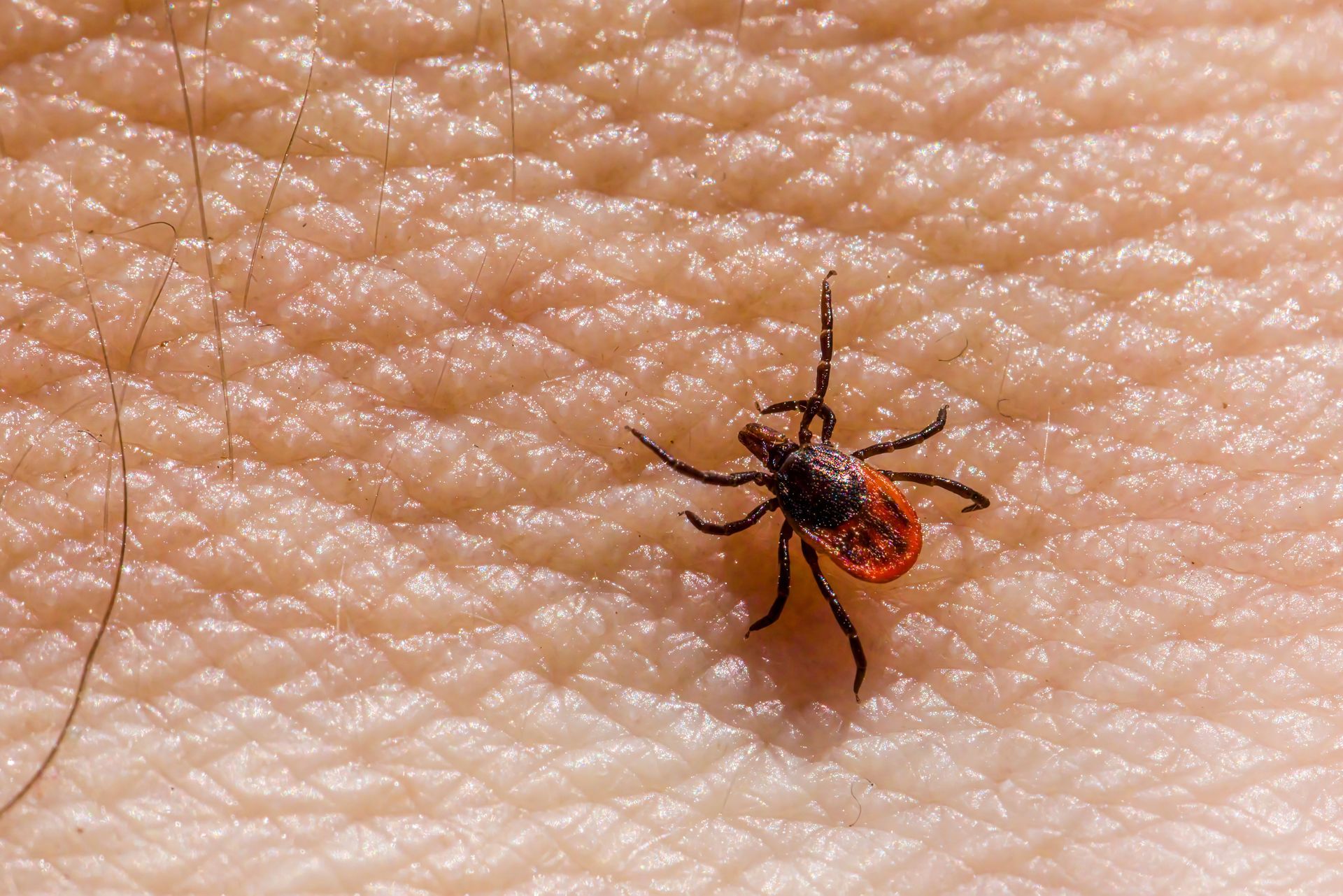
Red-and-black tick on human skin
By Leslie Stefanowicz, MSN, FNP-BC and Michael Lawrence, MD August 6, 2026
Learn how a Lone Star tick bite can trigger Alpha-gal syndrome, a rare allergy to red meat. Discover symptoms, diagnosis, and how to protect yourself.
Person and child setting a breakfast table with cereal, fruit, and drinks in a bright kitchen
July 20, 2026
Explore new food allergy treatments like Oral Immunotherapy & Biologics. Consult our experts for personalized care.