You and Your Allergens

What is an Allergy?

An allergy is an abnormal or exaggerated reaction to an otherwise harmless substance. Itches, coughs, sneezes, and wheezes are some of the trademarks of allergic misery. The allergy producing substance, called the allergen, may enter your body by inhalation through the nose or lungs, by eating or drinking, by direct skin contact, or by insect stings.


As an allergic person, you may be sensitive to more than one allergen, which may be confirmed by your skin test. It is possible to have one or more manifestations at different times of your life. For example, you may have eczema as an infant, asthma as a child, and rhinitis as an adult. Your tendency to develop an allergy is inherited and remains with you throughout your life. However, you may have dormant periods with no apparent symptoms. It is most doubtful that you can "outgrow" an allergy.

Since allergic persons are usually sensitive in varying degrees to certain allergens, we speak of the Allergic Load. A major goal at Asthma & Allergy Physicians is to lighten the load as much as possible by:


  • Environmental controls
  • Medications to control symjnoms
  • lmmunotherapy
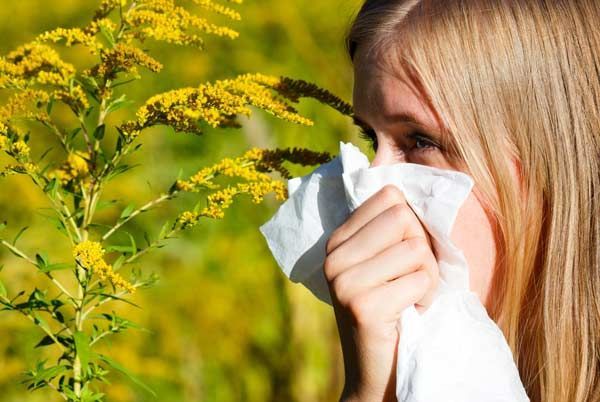
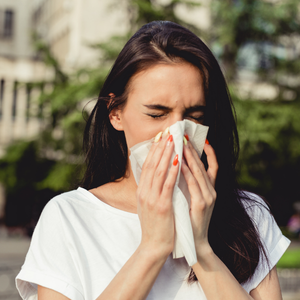
Woman wiping her nose with a tissue near yellow wildflowers in a sunny field
Woman smiling beside a golden retriever in a field of white flowers

Although you are born with a tendency to develop allergies, your symptoms are best controlled by your Allergist. You will lead a more comfortable and productive life by following yow doctors prescribed treatment.

The following is a list of allergens that are commonly found in your environment. You have reacted with a positive skin test to the following allergens as indicated by a checkmark. Please keep this list for your reference. We are always happy to discuss any concerns about these allergens, or we'll suggest how to avoid them.

Trees:

Pollinating season begins at the end of March and continues through May.


  • ASH
  • BIRCH
  • ELM
  • HICKORY
  • MAPLE
  • OAK
  • PINE
  • WILLOW
  • POPLAR

Grasses:

Pollination begins in mid-May, peaks in June, and ends in mid-July.


  • JUNE
  • ORCHARD
  • REDTOP
  • TIMOTHY


Weeds:

Pollinating season for Plantain begins with the grasses and continues through the fall. Ragweed is the most prolific weed that begins its season by August 15th, peaks in September, and continues until the first frost, along with the other weeds.


  • COCKLEBUR
  • LAMB'S QUARTER
  • MARSH ELDER
  • PLANTAIN
  • RAGWEED
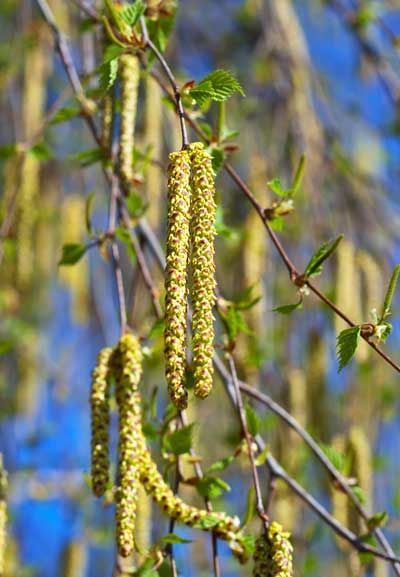
Dangling green catkins on a tree branch against a blue sky

Molds:

Found in the air outdoors except when there is a ground cover of snow; may be found in damp places and spoiled food.


  • ALTERNARIA
  • ASPERGILLUS
  • CLADOSPORIUM
  • FUSARIUM
  • PENICILLIUM


Environmental Allergens:

These have no particular season and are present year-round. They appear more troublesome with high humidity and during the heating season.


  • COCKROACH
  • MITES


Pets and Animals:

These allergens are not season specific.


  • CAT
  • DOG
  • FEATHER
  • OTHER: _______________

The Bucket Theory of Allergy

If you are sneezing, wheezing, or itching, it may help to think of your allergies according to the Bucket Theory. Pretend that your body is a three gallon empty bucket. On any given day the bucket is loaded-up with the things that cause you to react including pollen, mites, food, or others. This is fine as long as it's not more than three gallons worth.


When you have more than three gallons worth of sensitizing materials and only a three gallon container, you have overloaded your capacity. The results are your allergy symptoms.


Your bucket can get sabotaged. There are certain factors that seem to lower the brim, leading your bucket to overflow before it holds the entire three gallons. These factors include weather and temperature changes, fatigue, emotions, strong odors, chemicals, exertion, and infection. When some or all of these factors are at work, you may experience allergy symptoms, even when nothing else in your environment has changed.


The goal of allergy therapy is to reduce your allergic load. Your doctor will outline measures to both reduce the number of items that get dumped into your bucket and to reduce your sensitivity to the things that do. Can you think of anything that you can do to lighten the load or raise the brim?


Assorted yellow flowers, herbs, and supplement capsules on a yellow background
August 6, 2026
Discover how biologic medications (monoclonal antibodies) target severe asthma, eczema, nasal polyps, EoE, and hives. Learn if biologics are right for you.
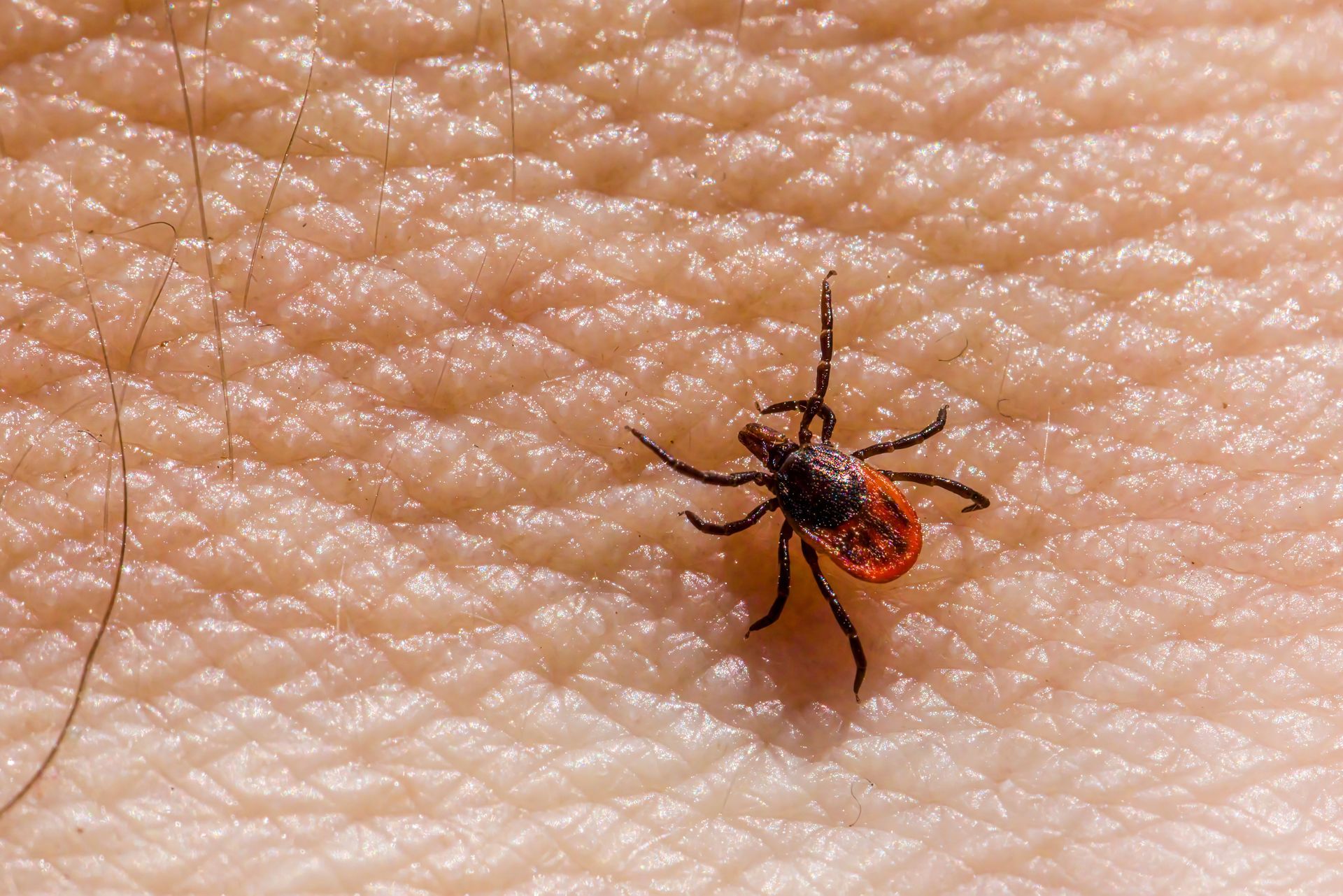
Red-and-black tick on human skin
By Leslie Stefanowicz, MSN, FNP-BC and Michael Lawrence, MD August 6, 2026
Learn how a Lone Star tick bite can trigger Alpha-gal syndrome, a rare allergy to red meat. Discover symptoms, diagnosis, and how to protect yourself.
Person and child setting a breakfast table with cereal, fruit, and drinks in a bright kitchen
July 20, 2026
Explore new food allergy treatments like Oral Immunotherapy & Biologics. Consult our experts for personalized care.